

About Us

Chhatrapati Sambhajinagar District, formerly Aurangabad, is a culturally rich region in Maharashtra known for its historic significance.
Home to the Ajanta and Ellora Caves, UNESCO World Heritage Sites, it attracts history lovers from around the world. Located in the Godavari river basin, the district features diverse landscapes, a monsoon climate, and a strong rural character. Its central location has shaped it as an important hub of trade, culture, and heritage.
Blending ancient architecture, natural beauty, and spiritual sites, Chhatrapati Sambhajinagar offers a memorable cultural experience.
History of Chhatrapati Sambhajinagar

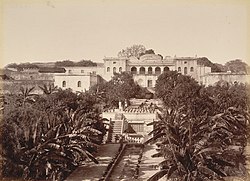
Chhatrapati Sambhajinagar, formerly known as Aurangabad, has a rich and layered history shaped by dynasties, empires, and cultural movements. The city was originally a small village called Khaḍkī, which rose to prominence in the early 17th century when Malik Ambar, the Prime Minister of the Ahmadnagar Sultanate, developed it into a planned capital city. Under his leadership, Khaḍkī quickly grew into a major urban center.
After Malik Ambar’s death in 1626, the city was renamed Fatehnagar by his son. In 1653, Mughal prince Aurangzeb made the city his Deccan capital and renamed it Aurangabad. During the Mughal era, the city became a key military, administrative, and cultural hub. It witnessed significant urban development, including fortified walls, gates, markets, and public buildings. Aurangabad also flourished as a center of trade, silk embroidery, and Persian–Urdu literature, with a population estimated at around 200,000 at its peak.

In 1724, Asaf Jah I established the Nizam dynasty, and Aurangabad served as the capital of the Deccan for several decades. When the capital shifted to Hyderabad in 1763, the city experienced economic decline but remained the second-most important city of the Nizam’s dominions. During the British period, a cantonment was established, while the city largely retained its indigenous culture due to limited colonial interference.
Following Indian independence, Aurangabad became part of Maharashtra in 1960. Reflecting regional pride and Maratha heritage, the city was officially renamed Chhatrapati Sambhajinagar in 2022, in honor of Chhatrapati Sambhaji Maharaj, the second ruler of the Maratha Empire.
Today, Chhatrapati Sambhajinagar stands as a city where ancient history, Mughal architecture, Maratha legacy, and modern development come together, making it one of Maharashtra’s most historically significant and culturally vibrant cities.

District Data & Insights
Chhatrapati Sambhaji Nagar
worth a thousand stories
Top Attractions
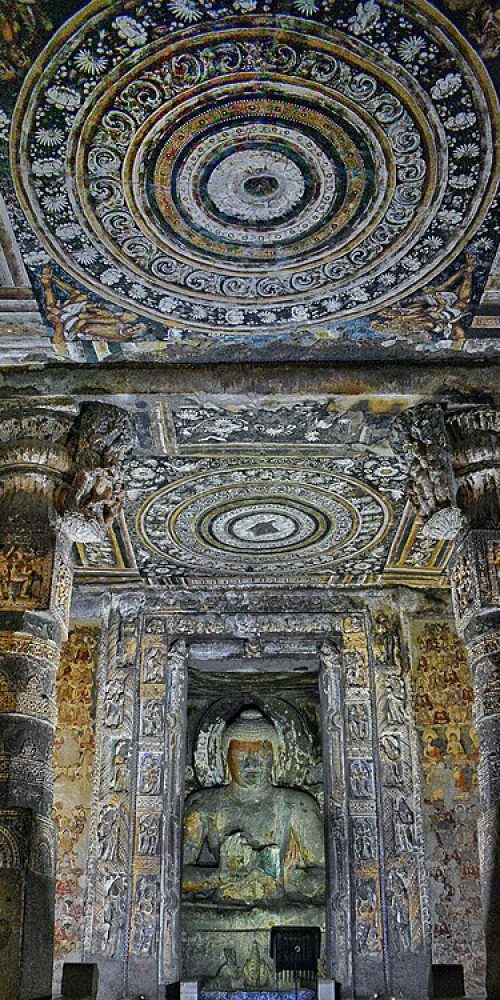
Ajanta Caves
Ancient Buddhist rock-cut caves famous for exquisite frescoes and sculptures, a UNESCO World Heritage Site.
Ellora Caves
A remarkable blend of Buddhist, Hindu, and Jain monuments carved from rock, also a UNESCO World Heritage Site.
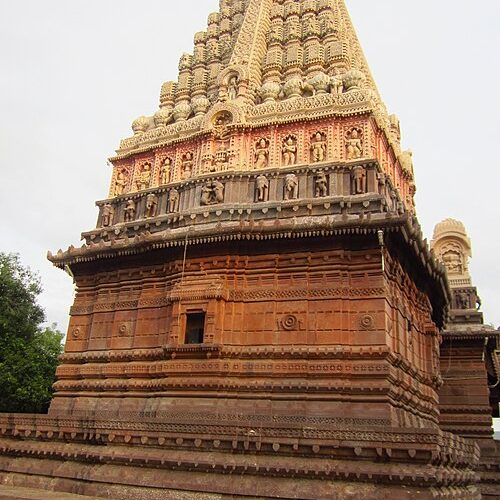
Grishneshwar Temple
One of the revered 12 Jyotirlinga sites, celebrated for its spiritual and architectural significance.
Geography & Location
Chhatrapati Sambhajinagar is strategically located in the central part of Maharashtra, on the Deccan Plateau, at an average elevation of approximately 568 meters above sea level. The city lies close to the Ajanta–Satpura ranges, which influence its geography, climate, and surrounding natural features.
The region is traversed by rivers such as the Kham River, a tributary of the Godavari, which plays an important role in the city’s drainage and ecosystem. Surrounded by rocky hills, fertile plains, and historic forts, Chhatrapati Sambhajinagar reflects a unique blend of natural landscapes and heritage landmarks.
Geographically, the city acts as a key gateway to the Marathwada region and serves as an important link between western Maharashtra and central India. It is well connected by road, rail, and air, making it a significant center for tourism, trade, and administration. The district is bordered by Jalna, Nashik, Ahmednagar, Beed, and Jalgaon, enhancing its regional and economic importance.
How to Reach
Well connected by Air, Rail, and Road to major Indian cities.
Our Mission
Our mission is to provide accurate, reliable, and regularly updated information about every aspect of Sambhajinagar. We aim to help residents, visitors, and businesses explore local places, experience the city’s rich heritage, and easily access trusted services — all through a user-friendly platform built for clarity and convenience.
Our Vision
Our vision is to become Sambhajinagar’s most trusted digital guide, connecting people with the city’s culture, history, and growing opportunities. We strive to simplify discovery, enhance user experience, and create a platform that truly reflects the spirit and identity of Sambhajinagar for everyone to explore.
Cultures and Traditions
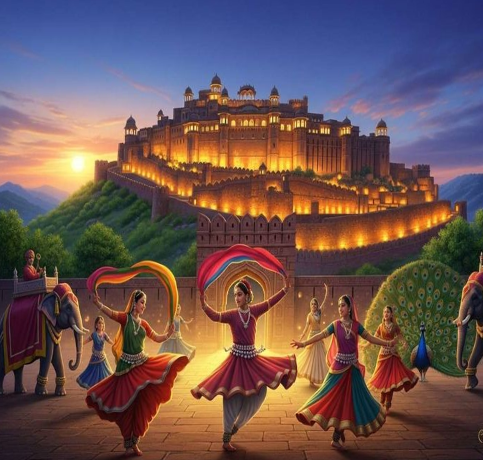
Sambhajinagar is a city where history, culture, and tradition blend seamlessly. Deeply rooted in Maharashtra’s rich heritage, the city reflects a vibrant mix of Maratha pride, Deccan influences, and age-old customs passed down through generations.
Rich Historical Legacy
Festivals and Celebrations
Traditional Arts and Crafts

Climate & Environment
Chhatrapati Sambhajinagar experiences a semi-arid climate, characterized by warm summers, moderate monsoons, and mild winters. Despite its dry conditions, the city maintains a balanced environment due to nearby hills and green zones.
The city has three main seasons:
Summer (March to May) ☀️
Hot and dry, with temperatures typically ranging between 28°C and 42°C.
Monsoon (June to September) 🌧️
Receives moderate rainfall, bringing relief from heat and adding greenery to surrounding landscapes.
Winter (October to February) ❄️
Pleasant and cool, with temperatures often dropping to 8°C–15°C, making it the best season for tourism and outdoor activities.
Testimonials
Real opinions from verified users
4.5 / 5 Ratings
Chhatrapati Sambhajinagar is a city where tradition meets modern living. The calm environment and growing development make life enjoyable.

Living in Chhatrapati Sambhajinagar feels peaceful and convenient. The city’s heritage, connectivity, and facilities support a comfortable lifestyle.

Chhatrapati Sambhajinagar offers a welcoming atmosphere with cultural richness, good infrastructure, and steady growth for residents.

Chhatrapati Sambhajinagar feels like a well-balanced city. Heritage, calm surroundings, and daily conveniences make living here pleasant.